Case Study
How Origin exposed a coordinated cargo theft network affecting cross-border logistics

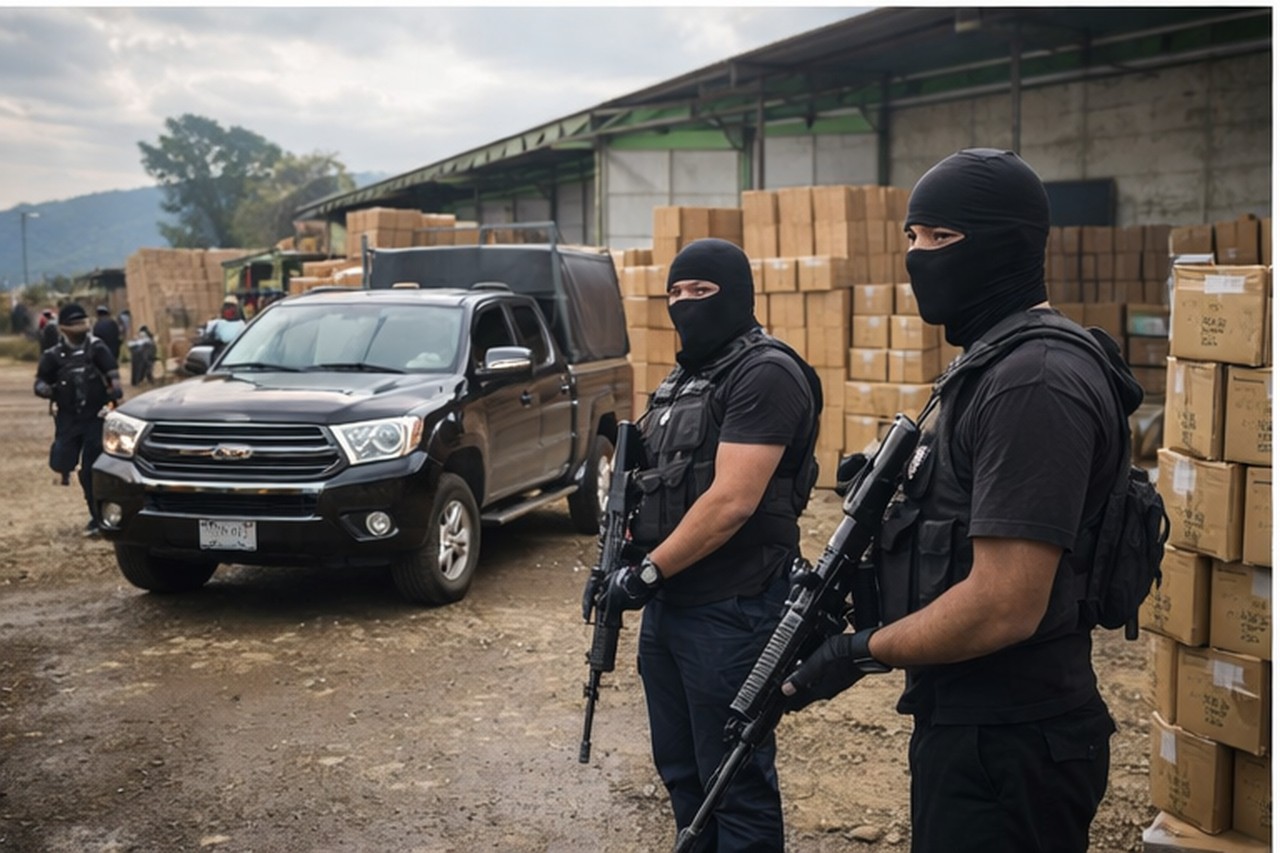
A multinational logistics company operating throughout Central America began experiencing repeated cargo theft incidents affecting high-value consumer goods shipments. The losses appeared isolated at first, but internal reviews suggested the incidents were connected to a broader pattern involving organized criminal activity along key transport corridors. The company lacked reliable intelligence within several jurisdictions and struggled to determine whether the thefts were opportunistic or coordinated by an organized network. Origin was retained to conduct a regional investigation, identify responsible actors, and determine how the thefts were being facilitated.

Regional Security Director
International Logistics Company
“Origin uncovered the network responsible for our losses and helped us implement operational changes that immediately reduced risk.”
The challenges
The investigation faced several significant obstacles:
Fragmented regional intelligence: Cargo theft incidents were reported independently across different jurisdictions, preventing a clear understanding of the broader pattern.
Insider risk concerns: Several incidents suggested that shipment schedules may have been compromised by individuals with internal access to logistics information.
Limited investigative visibility: The client had minimal access to reliable investigative resources capable of operating across multiple Central American countries.
Rapidly executed thefts: Vehicles were intercepted during narrow time windows, indicating the perpetrators had advance knowledge of routes and shipment timing.
Operational disruption: The continued thefts posed financial risk and raised safety concerns for drivers operating within high-risk corridors.
Our approach
Our investigation was conducted through four structured phases designed to clarify the threat environment and identify the responsible network.
Phase 1: Incident pattern analysis
Origin investigators reviewed cargo theft reports, shipment manifests, and transportation routes connected to the incidents. This analysis revealed consistent geographic and timing patterns.
Phase 2: Regional intelligence development
Investigators conducted records research and source inquiries to identify individuals and criminal groups historically associated with cargo theft along the affected routes.
Phase 3: Targeted surveillance support
Field investigators conducted surveillance operations near several logistics hubs and transport corridors connected to the incidents.
Phase 4: Network identification
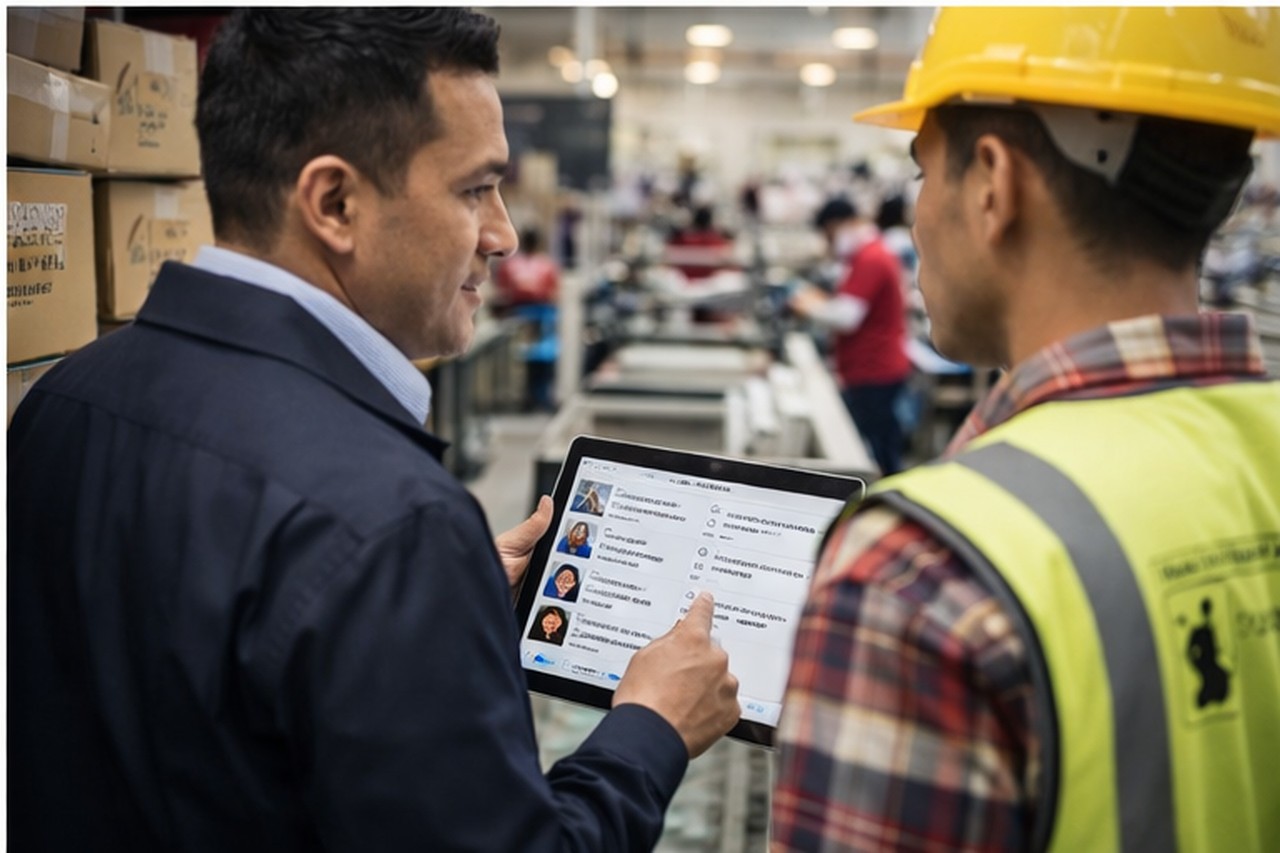
Origin consolidated investigative findings into a structured intelligence model identifying the individuals, facilitators, and vehicles used by the theft network.


The results
The investigation produced decisive findings:
A coordinated cargo theft group operating across two major transport corridors was identified.
Investigators determined that shipment schedule information had been leaked by a subcontracted logistics employee.
Multiple theft incidents were linked to the same criminal network.
The client implemented revised route security procedures and vendor screening protocols.
Cargo theft losses declined significantly after the new security measures were implemented.
Origin’s findings enabled the client to disrupt the theft pattern and stabilize operations across the region.
Lessons learned
Organized cargo theft networks frequently rely on insider access to logistics information.
Regional intelligence sources are critical when investigating criminal activity that spans multiple jurisdictions.
Pattern analysis across incidents can reveal operational connections that may not be visible through isolated investigations.
Targeted security adjustments can significantly reduce future operational risk.
Key takeaways
This engagement demonstrates how structured investigative work and regional intelligence development can expose organized criminal activity affecting commercial operations. By identifying both the external theft network and the internal vulnerability, Origin helped the client reduce losses and strengthen operational security throughout the region.
More Cases